
Land Clearing Approvals in Sydney: Tree Preservation, Vegetation and Biodiversity
Land clearing approvals in Sydney: how consent conditions, council tree preservation orders and biodiversity protections apply before a site is cleared.
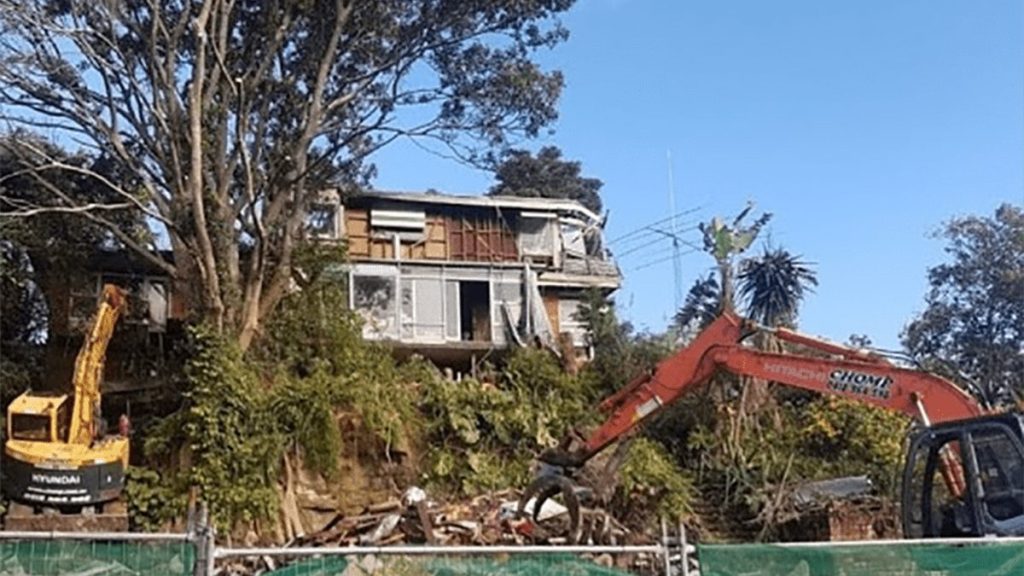
Land clearing on a Sydney development site is an approval question before it is a machine question. Three separate layers apply: the conditions of your development consent, the council’s tree preservation order, and biodiversity or threatened species protections. A tree can be protected even where demolition has been approved, and removing it is a separate offence from the works you were approved to do.
Written for developers, project managers and owners clearing a site ahead of construction.
At a glance
- Clearing scope is set by the consent and by vegetation protections, not by the contractor
- Trees may be protected even where demolition is approved
- Council tree preservation orders apply in most Sydney LGAs
- Biodiversity and threatened species assessments are the most common cause of delay
- Tree protection zones and fencing are frequently written into consent conditions
- Network operator approval is needed before working near powerlines
What approvals apply to clearing on a Sydney site?
The development consent. This covers what you are approved to build, and the conditions often specify which vegetation must be retained and protected during works. Tree protection zones and fencing are commonly written in as conditions, and breaching them can stop the job.
The council’s tree preservation order. This covers trees above a certain size, or on a listed species, and it applies even where no development is proposed. Anything protected needs a separate application, and it is assessed on the tree, not on your building.
Biodiversity and threatened species protections. These apply where the site has native vegetation or habitat. The assessments take time and are the single most common cause of a clearing program slipping, because they cannot be compressed.
Which layer do I need to satisfy first?
The consent conditions first, because they may already specify what must stay. Then the tree preservation order for anything to be removed. Then biodiversity, if the site qualifies.
In practice these run in parallel, but the order of certainty matters. You cannot price a clearing scope until you know what is protected, and you cannot know what is protected until the arborist report and any biodiversity assessment are done.
When is an arborist report required?
Usually for anything beyond small understorey. The report identifies species, size, health and significance, and it is the basis on which the council assesses a tree application. It often needs to cover trees on neighbouring land whose root zones extend into your site, since those can be protected too.
For tree work that is domestic rather than development related, our tree removal page covers that side.
What about powerlines and services?
Where a tree is within the clearance zone of overhead lines, the network operator usually has to be involved before work starts. That lead time belongs in the program, not in the week of mobilisation.
The same applies to trees near sewer and stormwater assets, where the asset owner may impose conditions on root removal.
What happens to the cleared material?
Mulching on site is the usual answer where there is room, because it avoids cartage and the mulch can often be reused on the same block. Where there is no room, it leaves as it is cleared.
Cleared vegetation is not general waste and cannot simply go to any tip. It has to go to a facility licensed to receive it, and the dockets belong in the same file as your demolition documentation. If the site also carries contaminated fill, our guide to asbestos in soil covers the classification side before you dig.
Frequently asked questions
Can I clear the block before demolition?
Only once the approvals allow it and any protection zones are in place. Clearing a protected tree ahead of approval is an offence regardless of what the demolition approval permits.
Does clearing include stump removal?
Only where the area will be built on or paved. Confirm it as a separate line rather than assuming it is in.
Who lodges the tree application?
Usually the owner or their planning consultant, not the contractor. We can tell you what the site needs, but the application sits with the applicant.
Can clearing and bulk excavation be one scope?
Often yes, and it is usually more efficient. Clearing and grubbing is the first step in any earthworks program, so running them together avoids a remobilisation. See our land clearing and landfill page for scope.
Clearing a site for construction? Contact us and send the site plan and any arborist or biodiversity reports. We clear and grub across Sydney as part of the earthworks program, and we will tell you plainly which approvals need to be in place before we mobilise.

