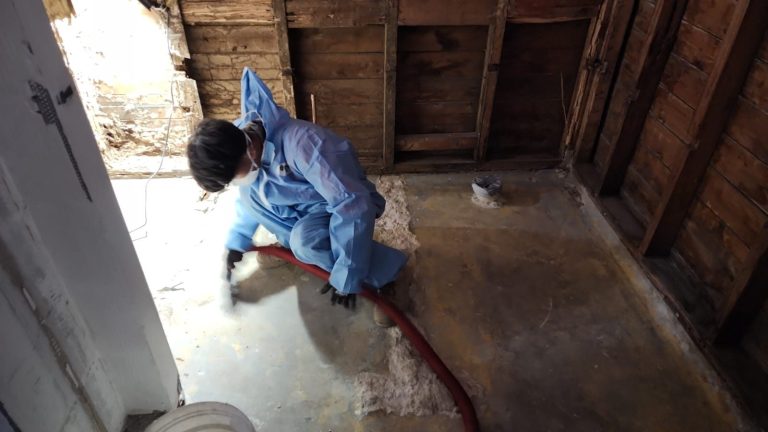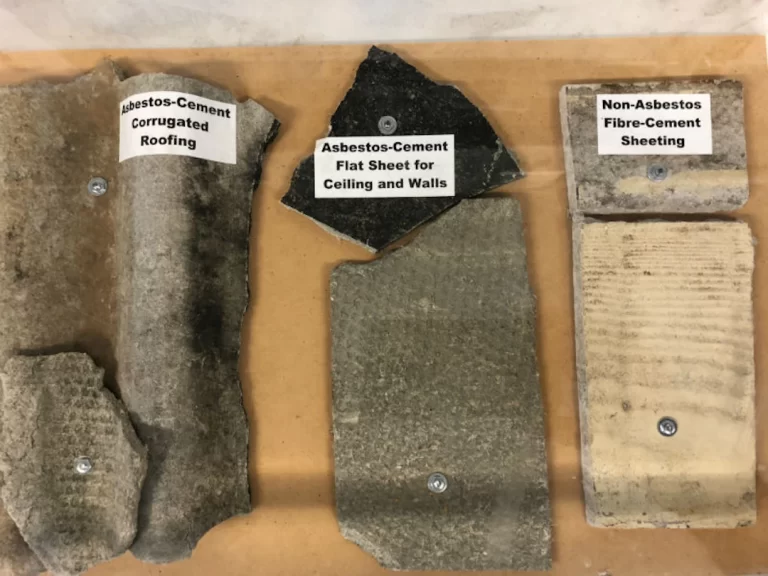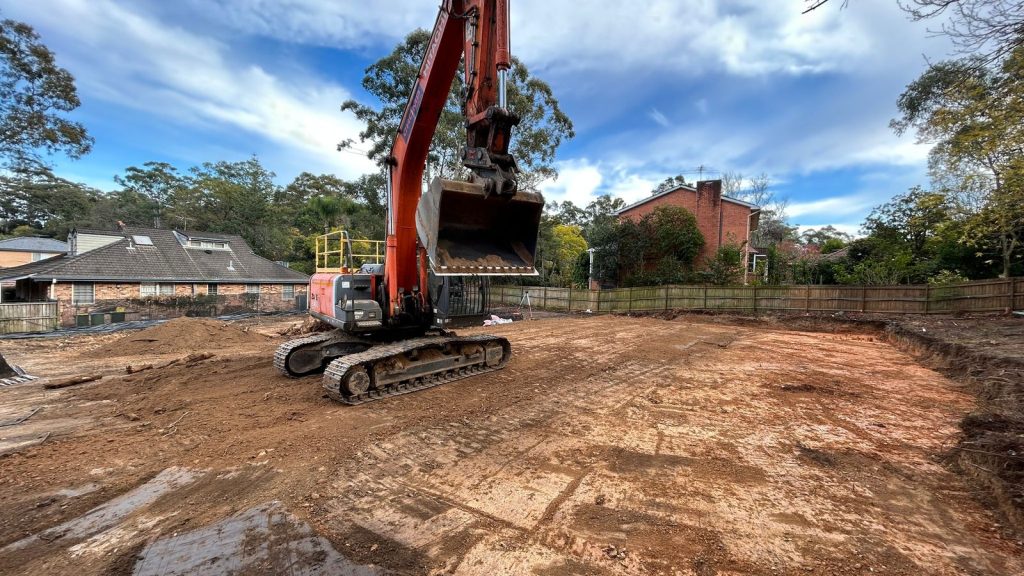
Asbestos in soil becomes a remediation job the moment the ground is going to be disturbed, moved or built on. On a Sydney development site that usually means a knockdown rebuild, a subdivision, or an excavation that has turned up buried sheeting, lagging or contaminated fill. Classification decides the disposal route, and the disposal route decides everything else.
Written for developers, project managers and environmental consultants who need the process and the sign-off chain clear before mobilisation.
At a glance
- Triggered by disturbance, movement or construction on the affected ground
- Classification decides the disposal route and therefore the cost basis
- VENM and ENM are handled very differently to waste
- Sampling must be done by a competent person and analysed by an accredited laboratory
- The contractor removes and disposes, but does not certify their own work
- Traceable documentation is the deliverable that outlasts the job
What are the classifications and why do they matter?
| Classification | What it means | Consequence |
|---|---|---|
| VENM | Virgin excavated natural material, clean and uncontaminated | Can usually be reused or recycled |
| ENM | Excavated natural material, meets the resource recovery order | Recoverable with the right documentation |
| Asbestos waste | Contains asbestos containing material | Licensed facility only, tracked |
| Contaminated soil | Exceeds relevant contaminant thresholds | Treatment or landfill, plus validation |
Getting material wrongly classified in either direction is a problem. Classify contaminated soil as clean and you have created an unlawful disposal and a liability that follows the site. Classify clean soil as contaminated and you have paid landfill rates for nothing, and turned a finished job into a paperwork exercise.
How is asbestos in soil identified?
By sampling, not by looking.
A competent person takes samples across the suspect area, with spacing and density reflecting how the material likely got there. Samples go to an accredited laboratory for identification and, where required, quantification of asbestos type and respirable fibre content.
The pattern matters more than the count. Buried sheeting along an old fence line suggests a defined source and a contained area. Widespread fragments in imported fill suggests the whole lot may be affected. Those two findings produce very different remediation scopes, and very different conversations with a certifier.
Who signs off on a remediation?
Usually three parties, and confusing them is common.
The environmental consultant or hygienist designs the remediation plan and supervises the work. An accredited site auditor is required for certain sites, particularly where consent conditions or the contamination trigger a statutory audit. The certifier or council accepts the validation report as part of the consent process.
We remove and dispose. We do not certify our own work, and nobody should.
What changes on 1 December 2026?
The Work Health and Safety Amendment (Harmonisation) Regulation 2026 commences on that date and amends the Work Health and Safety Regulation 2025. Two of its changes matter for soil.
It simplifies the exceptions that apply to asbestos contaminated soil, and it requires asbestos sample analysis to be carried out by a laboratory accredited by NATA, or one operated or approved by the regulator.
In practice, if you are sampling in the coming months, ask for the laboratory’s accreditation in writing. A validation report built on a non-accredited result can be rejected later, and the cost of redoing it sits with the developer, not the consultant.
The same instrument also moves workplace exposure standards to workplace exposure limits from 1 December 2026, which affects the air monitoring side of friable removal rather than soil classification.
What documentation should a remediation leave behind?
- Waste classification reports for each material type
- Laboratory certificates
- Disposal dockets and a waste tracking record
- Validation report confirming the site is suitable for its intended use
- Clearance documentation for any asbestos removal
That bundle is what a certifier, a lender and a future purchaser will ask for. Without it, the land carries an unresolved question and the value reflects it.
For the removal side of the same job see asbestos removal, and for the pricing of removal itself see our asbestos removal cost guide.
Frequently asked questions
Can material be capped and built over?
Not lawfully where it will be disturbed or where the consent requires removal. Capping is sometimes accepted, but it must be engineered, documented and accepted by the certifier.
Do I always need a site auditor?
No. It depends on the site’s history, zoning and consent conditions. Ask your consultant early, because an audit adds months if it is discovered late.
Who can remove asbestos contaminated soil?
A licensed removalist for the asbestos component, working to a remediation plan, with disposal to a facility licensed to receive it. Our remediation earthworks page covers how we scope it.
How long does a soil remediation take?
It depends on volume and whether the material is classified before work starts. Classification done early is a fast job. Classification discovered mid-excavation is not.
Managing a site with contaminated fill? Contact us and speak to the team about scoping. We handle asbestos contaminated soil removal and disposal across Sydney with full documentation, and we will tell you plainly what needs testing before anyone breaks ground.
Send the consultant’s report or your site history and we will price against it.