When it comes to construction, trenching plays a critical role in preparing the site and ensuring that utilities are safely and effectively installed.
Understanding trench excavation and the steps involved in the process is needed for anyone involved in construction projects, especially in regions like Sydney, Australia, where excavation regulations and safety measures are strictly enforced.
In this blog, we will explore further about trenching in construction, so you know exactly what it entails.
What is Trenching?
Trenching is the process of excavating narrow, elongated trenches in the ground to install utilities, foundations, or other infrastructure that is crucial for construction projects. The purpose of these trenches is to provide space for the safe placement of pipes, cables, drainage systems, or other components that require underground installation.
The process for trench excavation in Sydney varies depending on the size, purpose, and depth of the trench, but it always involves precise planning and adherence to safety protocols.
Why is Trenching Important in Construction?
- Install utilities: From water pipes to electrical cables, as mentioned before, trenching ensures these services are safely laid underground.
- Prevent water damage: Properly excavated drainage trenches ensure water is diverted from properties, reducing the likelihood of flooding and damage to foundations.
- Support large infrastructure projects: Trenches are key in preparing sites for large-scale projects like roads, bridges, and tunnels.
- Facilitate irrigation system installation: Trenching is used to install irrigation pipes for agricultural or landscaping purposes, ensuring efficient water distribution.
Steps Involved in Trench Excavation
1. Site Survey and Planning
Before any excavation can begin, it’s important to survey the site. This involves assessing the soil conditions, underground utilities, and overall topography of the area. Excavation experts will use tools like underground cameras or ground-penetrating radar to check for existing infrastructure and ensure there are no obstructions that might interfere with the excavation process.
2. Obtaining Permits
It’s mandatory to obtain the appropriate permits for trenching. Depending on the size and scope of the trench, these permits can vary. The contractor will handle this process and ensure all the necessary legalities are covered.
3. Marking the Trench Path
Once the site is surveyed and the necessary permits are obtained, the trench path will be marked. This is where the exact location of the trench is outlined, and boundaries are established. Surveying and marking help ensure that the trench is aligned with the construction plans.
4. Excavation Process
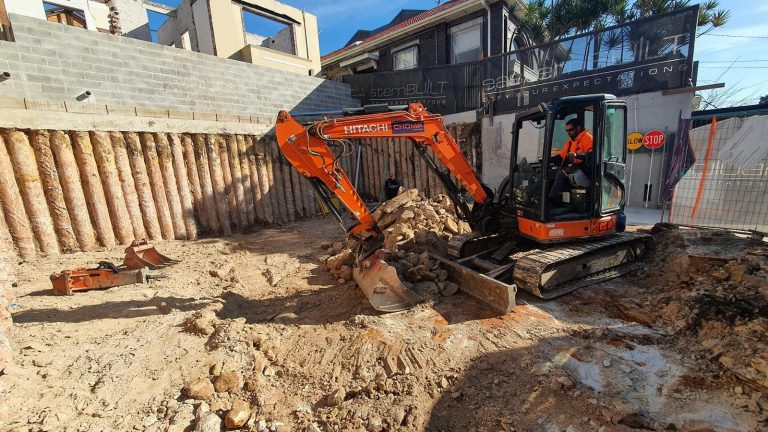
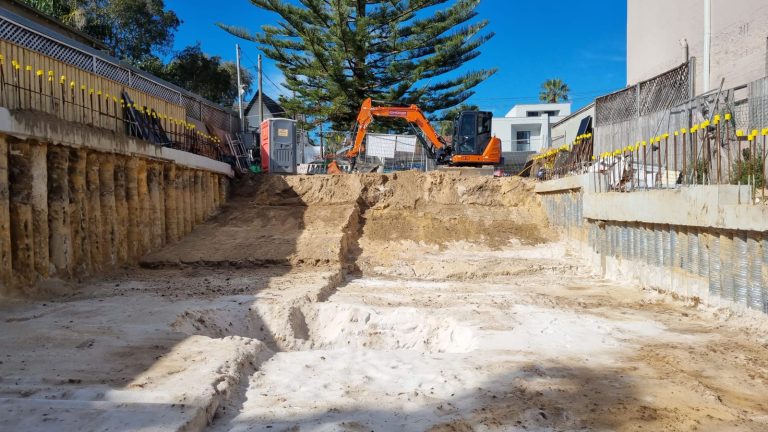
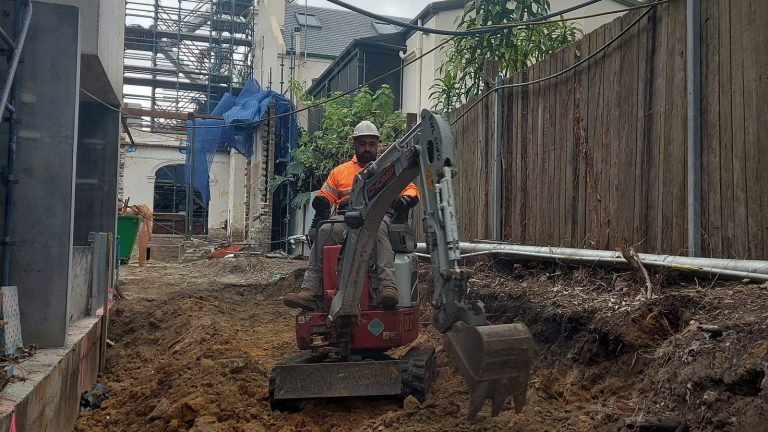
Now comes the actual excavation. Excavators will begin digging the trench using specialised machinery, making sure to follow the marked lines. The depth and width of the trench will depend on the purpose.
5. Trench Support and Safety
The deeper the trench, the more crucial it is to ensure safety. In some cases, trenching requires shoring, benching, or other support systems to prevent collapse. Construction workers must follow trench safety regulations to protect themselves from potential hazards.
6. Backfilling and Compaction of the Trench
Once utilities are installed, the trench is backfilled with soil. The soil is carefully compacted to prevent shifting, ensuring stability for the structure or utility system being installed.
Understanding the Cost of Trenching in Construction
The cost of trench excavation can vary depending on several factors:
- Depth and Length: The depth and length of the trench directly influence the cost. Deeper trenches need additional time to reach the required depth. Longer trenches for large areas also increase the overall amount of work.
- Soil Conditions: The type of soil plays a significant role in the cost. If the soil is soft and easy to dig, the process is quicker and less expensive. However, hard or rocky soil requires specialised equipment like rock breakers or heavy-duty excavators, which increase both the time and cost of the project.
- Equipment and Labour: The machinery and manpower needed for trenching are significant cost drivers. More complex projects will require advanced excavation equipment. Labour costs also vary depending on the experience and skill level required for the job. The more specialised the task, the higher the labour rates will be.
Conclusion
In summary, trenching is a vital process in construction, helping to prepare the ground for utilities, foundations, and infrastructure. By understanding what trenching involves and the excavation process, you can better navigate the complexities of construction and ensure that the project you manage is set up for success.
For trench excavation, it’s important to work with a team of experienced professionals who can deliver the results you need. At Chomp, we are the experts in trench excavation. Call us now at 1300 037 882 or fill out our online form. Let’s ensure your project gets the right start with our specialised services.