Demolishing a house in Sydney is a process that can be both exciting and overwhelming. Home demolition involves much more than just tearing down walls. It’s a meticulous, regulated process that demands careful planning and a thorough understanding of the key steps involved.
This blog provides an in-depth look at everything Sydney homeowners should know before embarking on this significant project.
Why Demolish a House?
There are a variety of reasons why Sydney homeowners may choose to demolish their homes. Here are the primary factors that lead to a decision for residential demolition:
- Rebuilding for a Modern Upgrade: For many, demolishing a house presents an opportunity to build something new and improved. Rebuilding allows you to create a modern home that caters to your current lifestyle.
- Addressing Structural Issues: For homes that suffer from severe damage or have reached a point beyond repair due to structural degradation, demolition can be the only safe and cost-effective solution.
- The Land’s Potential Value: In some cases, demolishing a house can be about unlocking the land’s full potential. The existing structure may be limiting the land’s value, and a clean slate allows for the construction of a new property that attracts higher market value.
- Safety Hazards: Homes with hazardous materials like asbestos present serious safety risks. In many cases, demolition can be a simpler and safer option than attempting to remove these materials.
The House Demolition Process
The process of demolishing a house is both intricate and regulated. Understanding each stage is crucial for ensuring that the demolition goes smoothly and complies with the required standards. Here’s a comprehensive breakdown of the house demolition process.
1. Site Assessment and Planning
Before any physical work begins, the demolition contractor will conduct a detailed inspection of your property. This evaluation identifies any potential challenges, such as the presence of hazardous materials like asbestos, old wiring, or structural issues that could complicate the demolition.
2. Permits and Regulatory Compliance
House demolition in Sydney requires several permits and regulatory approvals. Here are the key permits you’ll need:
- Development Application (DA): For most house demolitions in Sydney, you will need to apply for a DA from your local council. This application will assess the environmental, planning, and zoning impacts of the demolition.
- Complying Development Certificate (CDC): In certain cases, a CDC can expedite the process, allowing the demolition to proceed more quickly than through a DA.
- Asbestos Removal Permit: If your property contains asbestos, a specialist permit for its removal must be obtained. This process follows strict safety protocols to protect workers and the surrounding community.
- Heritage Considerations: If your home is listed as a heritage property or located in a heritage conservation area, additional regulations may apply. Extra permits and approvals are necessary to proceed with demolition.
3. Utility Disconnections and Hazardous Material Management
Before demolition begins, all utilities, including gas, electricity, water, and sewage connections, must be safely disconnected. Additionally, hazardous materials such as asbestos must be removed by certified professionals, ensuring that safety regulations are followed throughout the process.
4. Mechanical Demolition and Dismantling
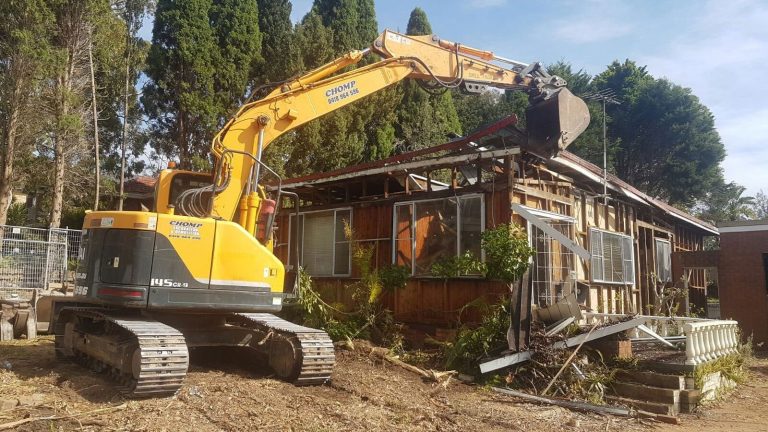
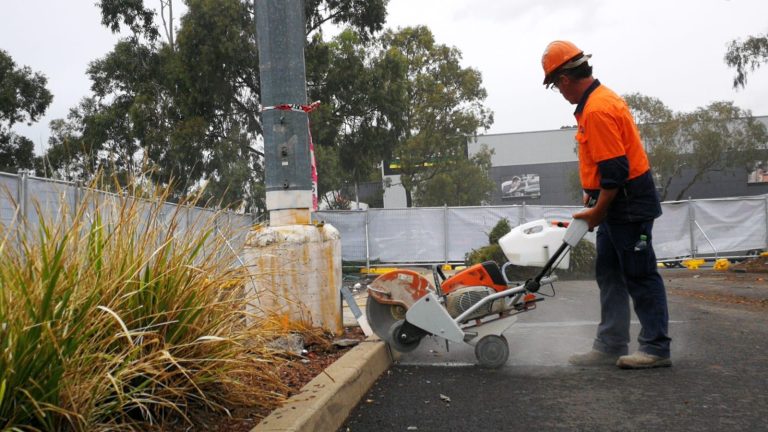
The demolition itself involves the use of specialised machinery such as excavators and bulldozers. The structure is systematically broken down and dismantled. Depending on the scale of the property, the machinery used will vary, and more extensive equipment may be needed for larger homes.
5. Waste Removal and Site Clearing
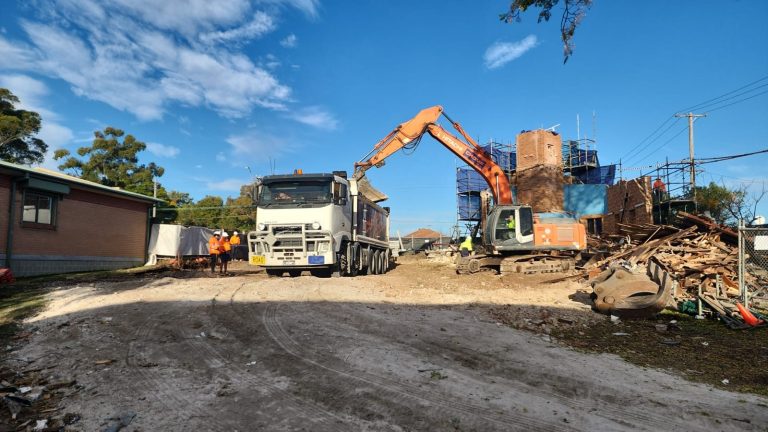
Once the house has been demolished, all debris must be cleared from the site. This waste is sorted into recyclable and non-recyclable categories. Recyclable materials such as metal, concrete, and timber are processed for reuse, while non-recyclable materials are disposed of responsibly.
6. End-of-Project Evaluation
Once the site is cleared, a final evaluation is carried out to ensure that all safety standards have been met and that the area is safe for future use. This step involves checking for residual hazardous materials and ensuring that the site is prepared for whatever comes next, whether it’s new construction or simply preparing the land for sale.
How Long Does It Take to Demolish a House?
The time it takes to demolish a house in Sydney depends on several factors, including the size of the property, the presence of hazardous materials, and the accessibility of the site. On average:
- Small House (Up to 100 sqm): Demolition takes around 1-3 days.
- Medium House (100-200 sqm): Demolition typically takes 3-5 days.
- Large House (200+ sqm): Larger houses can take 5-10 days or more, depending on the complexity of the site and the necessary disconnections.
It’s important to factor in the time required for permits and approvals, which can add 2-6 weeks to the overall timeline. The disposal of waste and recycling efforts can add 2 to 5 days, depending on the volume of materials and the specific disposal methods used.
Costs of House Demolition in Sydney
Demolishing a house in Sydney can be a costly endeavor, with prices varying depending on several key factors. Here’s a breakdown of the costs:
- Small House (Up to 100 sqm): $12,000 – $20,000
- Medium House (100-200 sqm): $20,000 – $30,000
- Large House (200+ sqm): $30,000 – $50,000 or more
Factors Affecting Cost
- Size and Complexity of the Property: Larger properties or houses with complicated structures require more equipment and time, which increases the costs.
- Asbestos and Hazardous Materials: The presence of hazardous materials such as asbestos will require specialised handling, which also adds to the cost.
- Waste Disposal and Recycling: Additional fees apply for sorting and recycling materials, as well as for landfill disposal.
- Permit and Inspection Fees: Local council permits, asbestos removal permits, and other regulatory fees contribute to the overall cost of demolition.
Conclusion
House demolition is a multifaceted project that requires careful planning, the right permits, and professional expertise. Regardless of the purpose behind your demolition project, knowing the process helps guarantee a successful outcome.
By choosing the right contractor, staying informed about regulations, and considering sustainable practices, you can make your house demolition in Sydney an efficient experience.
Reach out to Chomp at 1300 037 882 or complete our online form today to begin your demolition project with expert support.