Bonded asbestos is a term that often raises concerns, but how hazardous is it really? In Australia, asbestos exposure remains a public health issue, with strict regulations in place to manage its risks.
While friable asbestos is widely known for its extreme dangers, bonded asbestos can also pose a risk, but under certain conditions. In this blog, we’ll break down what is bonded asbestos and its risks.
Important Facts About Bonded Asbestos
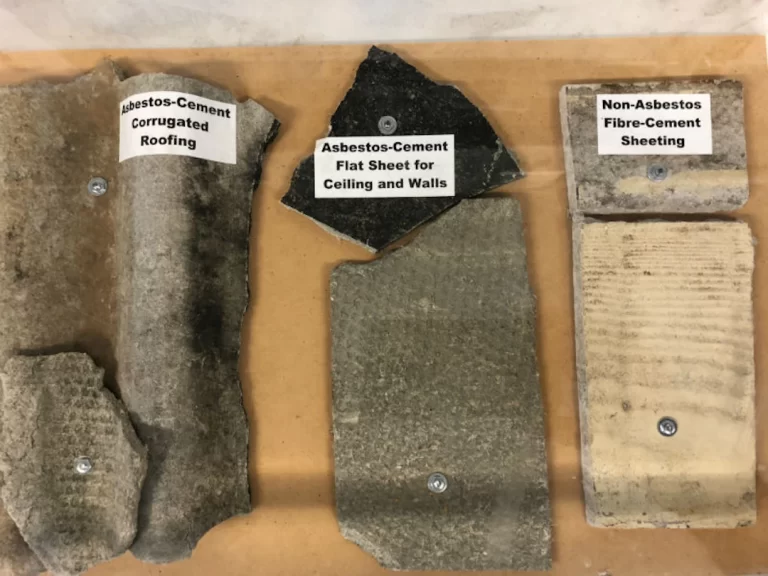
Bonded asbestos, also known as non-friable asbestos, is a material where asbestos fibres are mixed with a bonding agent such as cement or resin. This composition makes it more stable than friable asbestos, where the fibres can be easily released into the air.
The danger of bonded asbestos depends largely on its condition. When intact and undisturbed, bonded asbestos poses little immediate risks. If the material is damaged, deteriorates, or breaks, it can release asbestos fibres into the air. Once inhaled, these fibres can lodge in the lungs, leading to serious asbestos-related diseases.
Bonded asbestos is generally considered low-risk. However, it must be monitored for signs of wear or damage. Disturbing asbestos-containing materials (ACMs) without proper precautions can create a health hazard.
Common Uses of Bonded Asbestos
- Fibre Cement Sheeting (AC Sheeting)
- Corrugated Cement Roofing
- Cement Pipes
- Vinyl Floor Tiles and Adhesives
- Fencing Panels
Health Risks of Bonded Asbestos Exposure
As mentioned above, disturbing or deteriorating the material can release asbestos fibres into the air. Prolonged exposure to these fibres increases the likelihood of developing serious health conditions, including:
- Asbestosis: A lung disease that develops over time due to asbestos fibre inhalation. This causes scarring and breathing difficulties.
- Lung Cancer: A well-documented risk, particularly for individuals with long-term asbestos exposure.
- Mesothelioma: A rare but aggressive cancer affecting the lung and abdominal linings, directly linked to asbestos.
- Pleural Plaques: Thickening of lung membranes, often found in people with past asbestos exposure, sometimes without noticeable symptoms.
Factors That Increase the Dangers of Bonded Asbestos
Several factors can determine how dangerous bonded asbestos can be:
- Material Condition: When asbestos-containing materials become cracked, broken, or water-damaged, their structural integrity weakens, making fibre release into the air more likely.
- Age of the Structure: Older buildings, especially those constructed before asbestos bans, are more susceptible to material degradation, which can lead to fibre exposure.
- Renovation or Demolition: Cutting, grinding, or sanding bonded asbestos disturbs its structure, turning it into friable asbestos and significantly increasing the risk of airborne fibre release.
Indicators of Bonded Asbestos Deterioration
Besides visible fractures, certain changes in the appearance and condition of asbestos-containing materials signal potential risks. This includes:
- Discolouration or Staining
- Softening or Warping
- Chalky or Powdery Texture
If you suspect deterioration, do not attempt to remove or disturb it yourself. Instead, contact our licensed team at Chomp for a professional assessment.
Do You Need to Remove Bonded Asbestos?
The Safe Work Australia Code of Practice specifies that while the ultimate goal is for workplaces to be free of asbestos, ACMs that are in good condition and not presenting a health risk can remain on site.
Additionally, The NSW Environment Protection Authority (EPA) notes that bonded asbestos in sound condition represents a low human health risk. However, if these materials become damaged, they must be carefully managed to minimise the release of asbestos fibres into the air.
When Should Bonded Asbestos Be Removed?
- Planned modifications or structural changes that might disrupt existing materials.
- Signs of wear, weathering, or physical damage that compromise its stability.
- Increased likelihood of exposure due to changes in occupancy or environmental conditions.
Final Thoughts: Should You Be Worried About Bonded Asbestos?
While bonded asbestos is less dangerous than friable asbestos, it still poses a risk. If the bonded asbestos is stable, undamaged, and not at risk of disturbance, it is legally permissible to leave it in place.
For safe bonded asbestos removal, always rely on trained professionals to protect your health and ensure compliance with Australian laws. If you suspect bonded asbestos in your property, contact our asbestos specialist at Chomp. You can reach us at 1300 037 882 or submit our online form. Our team is ready to assist with inspections, testing, and safe disposal to keep your space asbestos-free.