Introduction to Site Cuts
A site cut is a critical first step in many construction and landscaping projects. It involves clearing and levelling the ground to prepare a stable foundation for building structures, driveways, or other outdoor features. Performing a site cut effectively ensures the construction project proceeds smoothly, avoiding unnecessary delays or complications.
In this article, we will explore the site-cutting process, its importance, what it involves, and how to ensure that your excavation project is done right. This guide is essential for anyone considering site preparation for their building, renovation, land clearing, or landscaping project.

Why Site Cuts Are Essential for Construction
Site cuts provide a strong foundation for any construction. Without an adequately prepared site, foundations may sink or shift, leading to costly repairs. A proper site cut addresses the following:
- Levelling the Ground – Ensures a flat and stable surface.
- Drainage Control – Helps manage water flow and prevent flooding.
- Avoiding Future Complications – Prevents uneven settling of structures or landscaping features.
Key Benefits of a Site Cut
- Increased stability: A well-executed site cut provides a solid base for foundations and other structures.
- Improved water management: Proper grading ensures that water drains away from critical areas, reducing the risk of water damage.
- Enhanced safety: A levelled site reduces potential hazards during construction, protecting workers and future occupants.
What Happens During a Site Cut?
A site cut involves multiple stages, each of which is crucial for preparing the land for construction. Here’s what to expect during this process:
1. Initial Site Assessment
Before any work begins, the excavation team conducts a thorough assessment of the land. They will check:
- The topography of the site.
- Existing drainage patterns.
- Soil conditions.
- The type of vegetation and obstacles that need to be removed.
This step ensures that all potential challenges are identified and that the site-cutting process can be planned accordingly.
2. Clearing the Site
Next, any obstructions such as trees, shrubs, rocks, and debris are cleared from the site. This step is essential for ensuring that the excavator can access all areas without interference. The land is then prepared for the grading and levelling stages.
3. Excavation and Grading
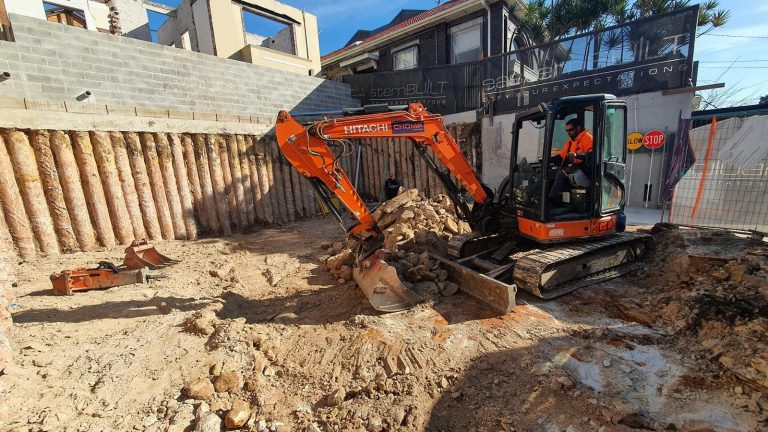
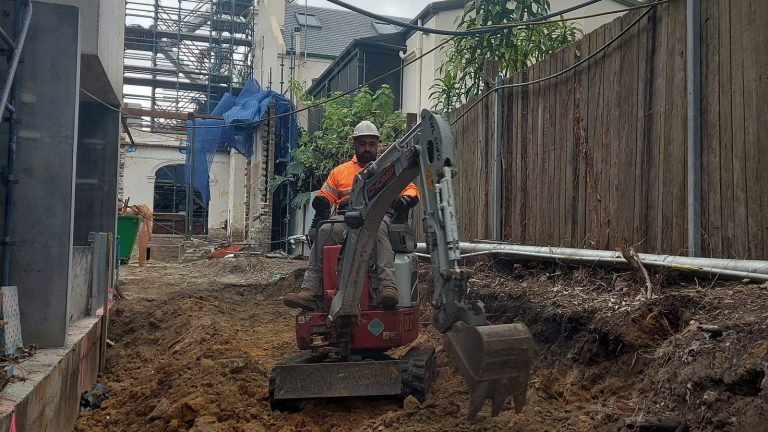
Excavators use machinery such as bulldozers and excavators to begin cutting and levelling the land. The process includes:
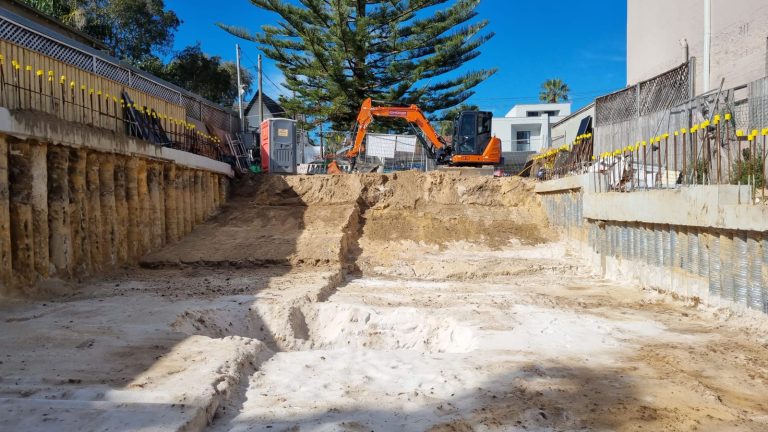
- Cutting: Soil and rock are excavated to lower the ground to the desired level.
- Filling: If areas need to be raised, the excavation team adds fill dirt.
- Compacting: The fill material is compacted to create a solid base.
4. Proper Drainage Setup
As part of the site-cutting process, drainage is often installed to ensure water is directed away from the building site. This is particularly crucial for preventing flooding and water damage later in the project. Proper drainage solutions may include:
- Stormwater drains
- French drains
- Swales
5. Final Inspection and Site Preparation
Once excavation and grading are completed, a final inspection is conducted to ensure the site is level and compacted. This inspection verifies that the project is ready for the next phase, whether it’s pouring the foundation or starting the landscaping.
The Importance of Professional Excavation Services
Hiring a professional excavation company to handle your site cut ensures that the job is done correctly, efficiently, and within the required timeline. Professionals use advanced machinery and technology to perform precise cuts and grading, avoiding common errors that can cause delays or costly corrections.
How Professionals Ensure Quality Site Cuts
- Expert machinery operation: Skilled operators ensure precision during excavation and grading.
- Planning and preparation: Experts analyze the site thoroughly before starting, reducing the chances of unexpected issues.
- Knowledge of local conditions: Professional excavators understand local soil types, drainage patterns, and other factors that affect the site cut process.
Site Cut Costs and Considerations
The cost of a site cut can vary depending on several factors:
- Size of the site: Larger areas require more equipment and time to prepare.
- Soil conditions: Rocky or clay-heavy soils may require additional machinery and effort to excavate.
- Location: Site access and proximity to roads or other infrastructure can affect costs.
On average, a site cut in residential areas can range from $1,500 to $10,000 or more, depending on the complexity of the project. It’s important to get a detailed quote from the excavation company to understand the total costs involved.
Best Practices for Site Cuts
To ensure a successful site cut, follow these best practices:
- Choose the right contractor: Ensure the excavation company has experience with your type of project and understands the specifics of your site.
- Confirm the permit requirements: Site cuts often require local government approval. Be sure to secure all necessary permits before work begins.
- Plan for drainage from the outset: Proper drainage planning can save a significant amount of time and money in the long run.
- Schedule regular inspections: Even during excavation, routine inspections can help ensure the site remains safe and stable for construction.
How to Choose the Right Excavation Company
When selecting an excavation company for your site cut, consider these factors:
- Experience: Choose a company with a proven track record in site preparation.
- Equipment: Ensure they use modern machinery capable of handling your specific site requirements.
- Reputation: Check customer reviews and testimonials to assess the quality of their work.
- Licensing and insurance: Make sure the company is properly licensed and insured to protect against potential liabilities.
The Bottom Line
A site cut is the cornerstone of any construction project. It prepares the land, ensuring that the foundation is stable, drainage is efficient, and the site is safe for workers and future inhabitants. By following best practices, working with professional excavation contractors, and ensuring your site is properly assessed and prepared, you’ll set your project up for success.
By understanding the detailed process of site cutting and the critical role it plays in construction, you can ensure a smooth and efficient build. Whether you are preparing for a new home, commercial project, or landscaping development, don’t underestimate the importance of a well-executed site cut.